A culture of belonging, one icebreaker at a time
Connection is at the heart of Daniel’s classroom. He starts every session with a question designed not just to break the ice, but to build trust. These prompts are drawn from real life — a recent hike, a quirky morning commute, or a favorite meal.
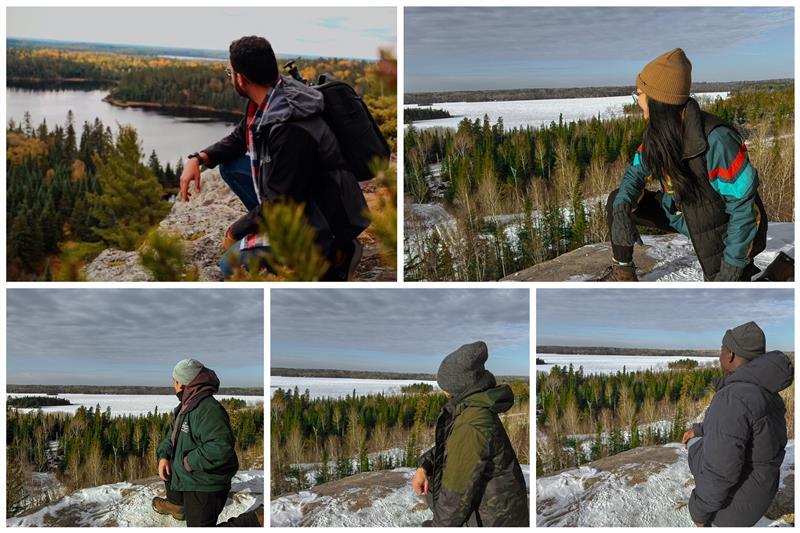
One day, Daniel asked a casual question - “What did you do over the long weekend?” - and shared that he himself had gone on a hike. A few weeks later, the entire class had gone on a hike together to the same spot Daniel mentioned. The photo of the hike became a class meme, and more than that, a symbol of the bond they’d built.
A compilation of Daniel (top left) and his students' hike pictures, inspired by the Question of the Day activity
Today, students arrive early for the daily icebreaker. They feel safe raising their hands, sharing ideas, or asking questions — no matter how big or small.
Teaching that talks back
Daniel uses formative assessment as a core part of his instruction. He doesn’t wait until the final exam to know if students are struggling. His quizzes are brief, embedded mid-lesson, or used to introduce new topics. They're also fun: students compete, track their scores, and even win candy.
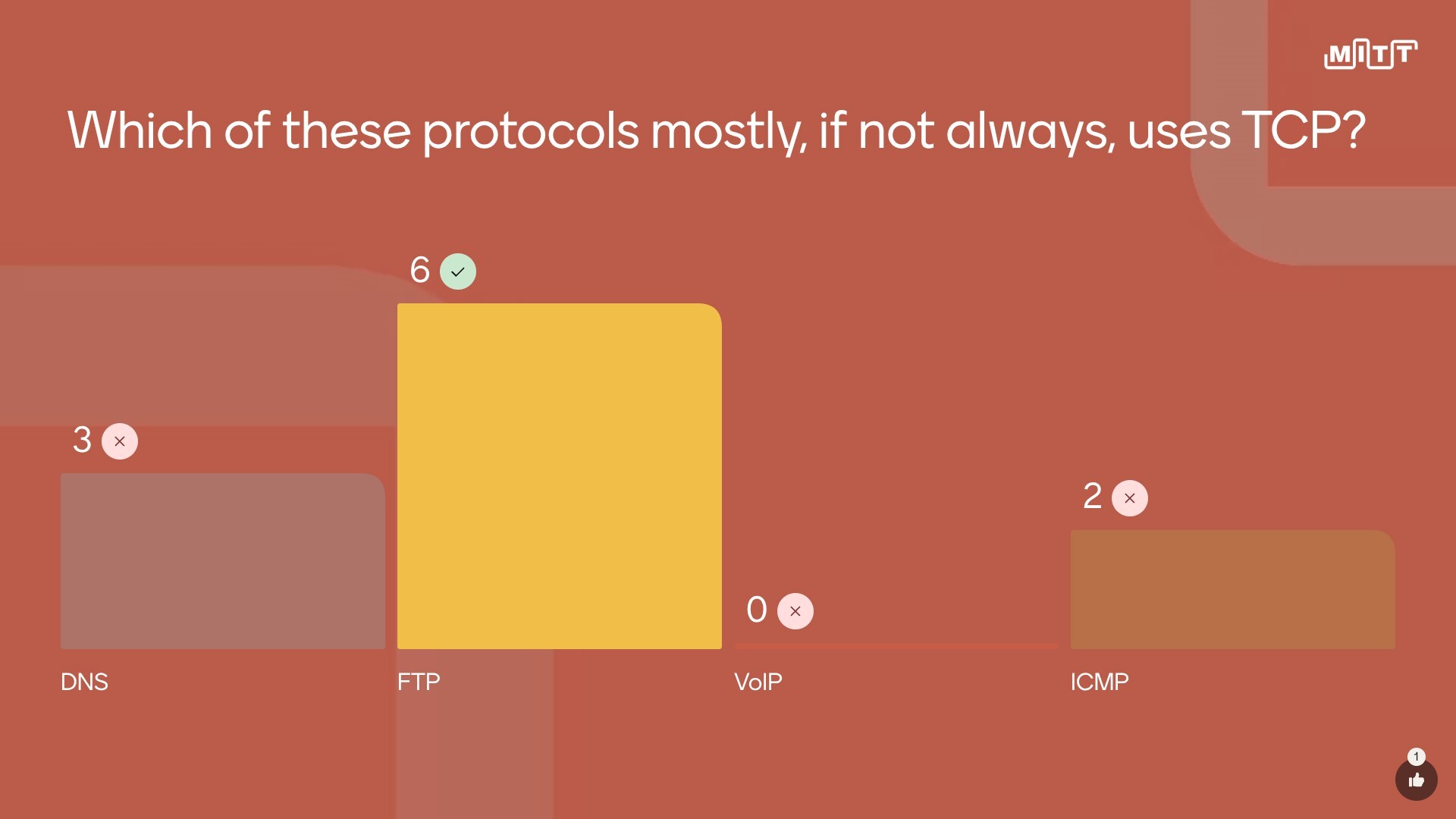
A formative assessment question that Daniel has asked in relation to a concept called “DNS”
But the impact goes far beyond treats. Daniel always follows up a quiz with a group discussion. If most students miss a question, he revisits the topic. If only a few are confused, he helps them catch up. This flexible, real-time feedback loop helps every student move forward.
He’s also learned to craft his assessments more inclusively. After student feedback, he shifted to shorter, more focused questions. His adjustment, while subtle, gave his non-native English-speaking students more time to think and respond — making his classroom more equitable for all.
Now, Daniel is taking formative assessment even further — not just testing what students can recall, but pushing them to analyze, compare, and predict. His quiz decks include a mix of question types: some test prior knowledge, others connect new ideas to old ones, and many are intentionally flipped to explore understanding from different angles. One of his most powerful tools is prediction — asking students to apply what they’ve already learned to anticipate concepts they haven’t yet covered. This doesn’t just test memory; it cultivates critical thinking and deeper learning — something Daniel hopes to see more widely adopted across MITT.
A question that encourages students to apply new conceptual knowledge to real-world scenarios.
Always evolving, always listening
Daniel is deeply committed to improvement. He regularly collects feedback using Mentimeter — not just once per semester, but continuously.
What started with curiosity turned into a habit: check what works, adjust where needed.
He’s made changes big and small, from swapping in a new favorite candy as a quiz reward to reworking his lesson flow to allow more review time. His students notice and appreciate being heard.
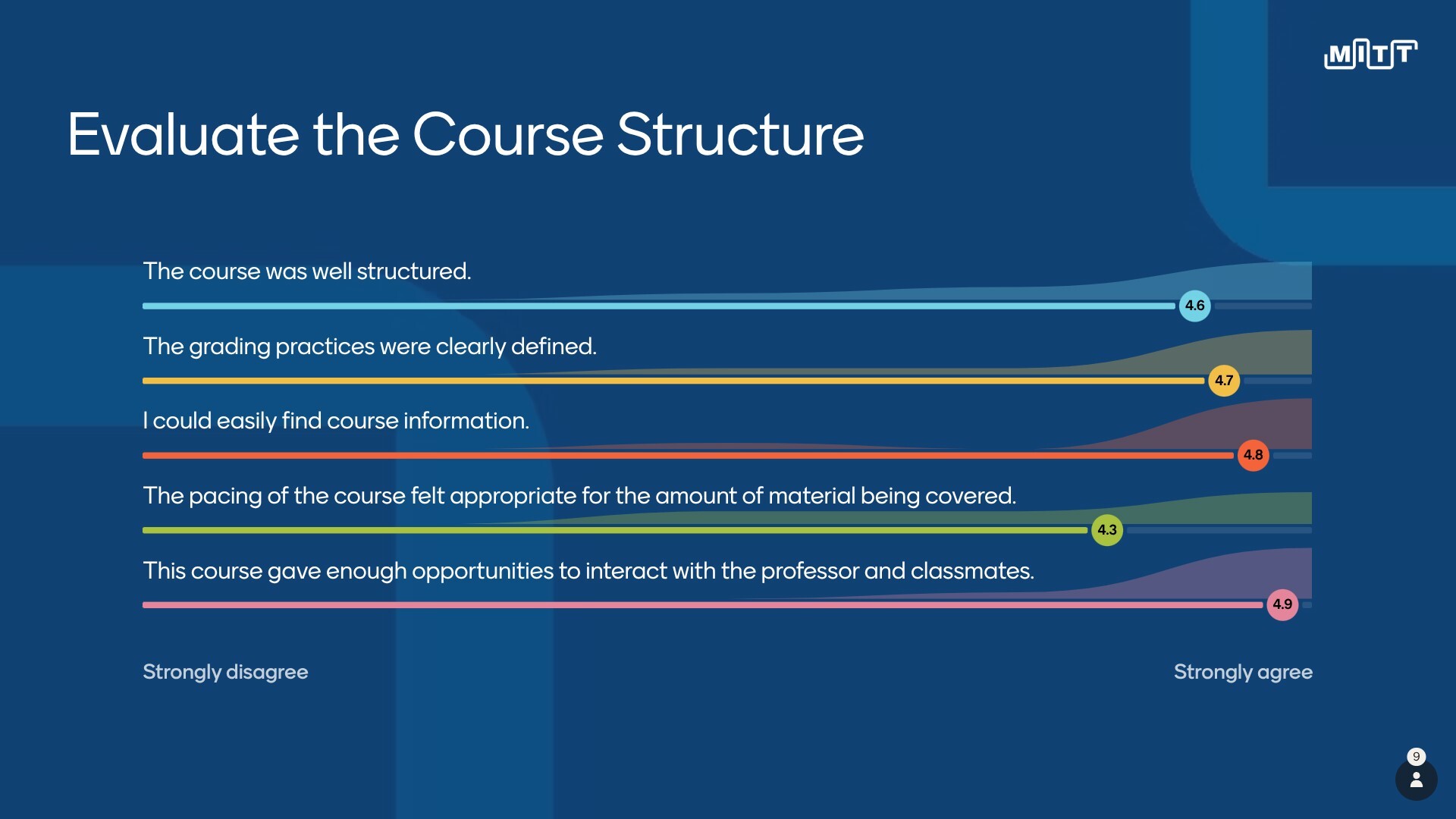
Course feedback Daniel has received form his students.
“It’s not always easy,” Daniel says, “but it makes me a better instructor and creates a better experience for the next class.”
Looking ahead: Inspiring change beyond the classroom
Now focused on course development at MITT, Daniel is taking what he’s learned from the classroom and applying it more broadly.
He’s working to embed more engagement, reflection, and feedback into course design itself — with the hope that others across the institution can benefit from these methods too.
His ambition is to help lead a cultural shift at MITT — one that empowers educators to build connection-first classrooms where students are seen, heard, and supported.
A new kind of educator
Today, Daniel doesn’t just deliver information — he facilitates conversation. His students arrive expecting to engage, not to passively receive. That spirit carries beyond lectures into labs, projects, and even informal hangouts.
As he builds resources to help other instructors follow suit, Daniel hopes more educators will take the leap. “We ask students to show up with curiosity and creativity,” he reflects. “We should lead by example.”
Final advice: Start small, but start
Change doesn’t require a total reinvention. Daniel’s story began with one icebreaker and one quiz. That modest experiment sparked a transformation — one that turned passive classrooms into connected communities where students feel seen, supported, and inspired to learn.