Eine Kultur der Zugehörigkeit, ein Eisbrecher nach dem anderen
Verbindung steht im Zentrum von Daniels Unterricht. Er beginnt jede Sitzung mit einer Frage, die nicht nur das Eis brechen, sondern Vertrauen aufbauen soll. Diese Impulse stammen aus dem echten Leben – eine kürzliche Wanderung, ein skurriler Arbeitsweg oder ein Lieblingsgericht.
Eines Tages stellte Daniel eine beläufige Frage – „Was habt ihr am langen Wochenende gemacht?“ – und erzählte, dass er selbst wandern war. Ein paar Wochen später war die gesamte Klasse gemeinsam an demselben Ort wandern, den Daniel erwähnt hatte. Das Foto von der Wanderung wurde zum Kurs-Meme und, mehr noch, zum Symbol für die Verbundenheit, die sie aufgebaut hatten.
Eine Zusammenstellung von Wanderfotos von Daniel (oben links) und seinen Studierenden, inspiriert von der Aktivität ‘Frage des Tages‘
Heute kommen Studierende früher zum täglichen Eisbrecher. Sie fühlen sich sicher genug, die Hand zu heben, Ideen zu teilen oder Fragen zu stellen – egal wie groß oder klein.
Unterricht, der Feedback gibt
Daniel nutzt formative Bewertung als zentralen Bestandteil seines Unterrichts. Er wartet nicht bis zur Abschlussprüfung, um zu wissen, ob Studierende Schwierigkeiten haben. Seine Quizze sind kurz, mitten in die Sitzung eingebettet oder werden genutzt, um neue Themen einzuführen. Sie machen auch Spaß: Studierende treten gegeneinander an, verfolgen ihre Punktzahlen und gewinnen sogar Süßigkeiten.
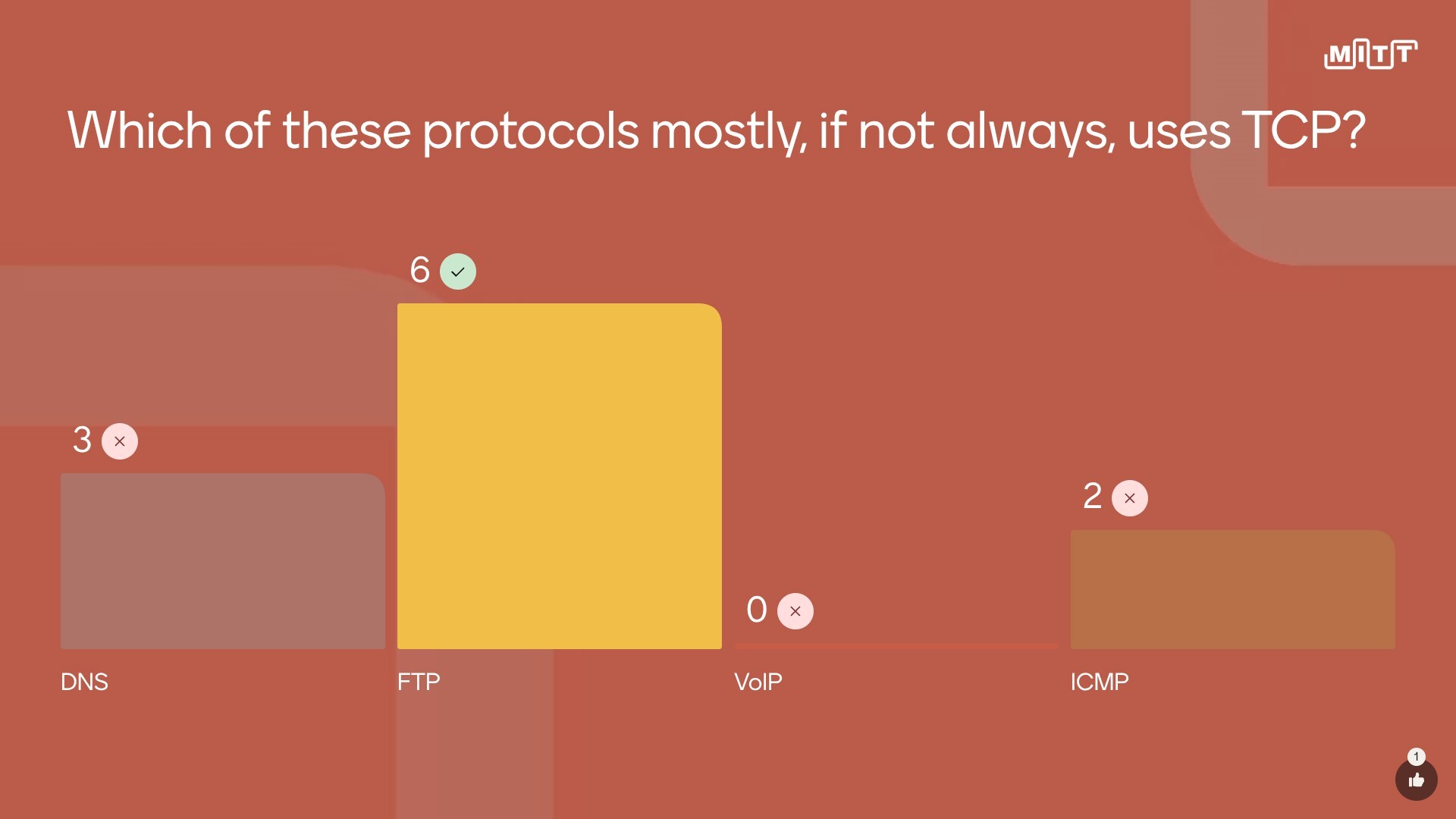
Eine formative Bewertungsfrage, die Daniel im Zusammenhang mit einem Konzept namens „DNS“ gestellt hat
Doch die Wirkung geht weit über die kleinen Belohnungen hinaus. Auf jedes Quiz lässt Daniel stets eine Gruppendiskussion folgen. Verfehlen die meisten Studierenden eine Frage, greift er das Thema erneut auf. Sind nur wenige verwirrt, hilft er ihnen, aufzuholen. Diese flexible Feedbackschleife in Echtzeit hilft jeder und jedem Studierenden, weiterzukommen.
Er hat außerdem gelernt, seine Bewertungen inklusiver zu gestalten. Nach Feedback der Studierenden stellte er auf kürzere, fokussiertere Fragen um. Diese Anpassung war subtil, gab aber seinen nicht-englischsprachigen Studierenden mehr Zeit zum Nachdenken und Antworten – und machte seinen Unterricht für alle gerechter.
Nun geht Daniel bei der formativen Bewertung noch weiter – er testet nicht nur, was Studierende erinnern können, sondern fordert sie auf, zu analysieren, zu vergleichen und Vorhersagen zu treffen. Seine Quiz-Decks enthalten eine Mischung verschiedener Fragetypen: Manche prüfen Vorwissen, andere verknüpfen neue Ideen mit alten, und viele sind bewusst umgedreht, um Verständnis aus verschiedenen Blickwinkeln zu erkunden. Eines seiner wirkungsvollsten Werkzeuge ist die Vorhersage – Studierende werden gebeten, bereits Gelerntes anzuwenden, um Konzepte vorherzusehen, die noch nicht behandelt wurden. Das testet nicht nur das Gedächtnis; es fördert kritisches Denken und tieferes Lernen – etwas, das Daniel gerne noch breiter an der MITT verankert sähe.
Eine Frage, die Studierende dazu anregt, neues konzeptionelles Wissen auf reale Szenarien anzuwenden.
Immer in Entwicklung, immer im Zuhören
Daniel setzt sich intensiv für Verbesserung ein. Er sammelt regelmäßig Feedback über Mentimeter – nicht nur einmal pro Semester, sondern fortlaufend.
Was mit Neugier begann, wurde zur Gewohnheit: prüfen, was funktioniert, anpassen, wo nötig.
Er hat große und kleine Änderungen vorgenommen, von einer neuen Lieblingssüßigkeit als Quiz-Belohnung bis hin zur Umgestaltung des Unterrichtsablaufs, um mehr Zeit für Wiederholung zu schaffen. Seine Studierenden bemerken das und schätzen es, gehört zu werden.
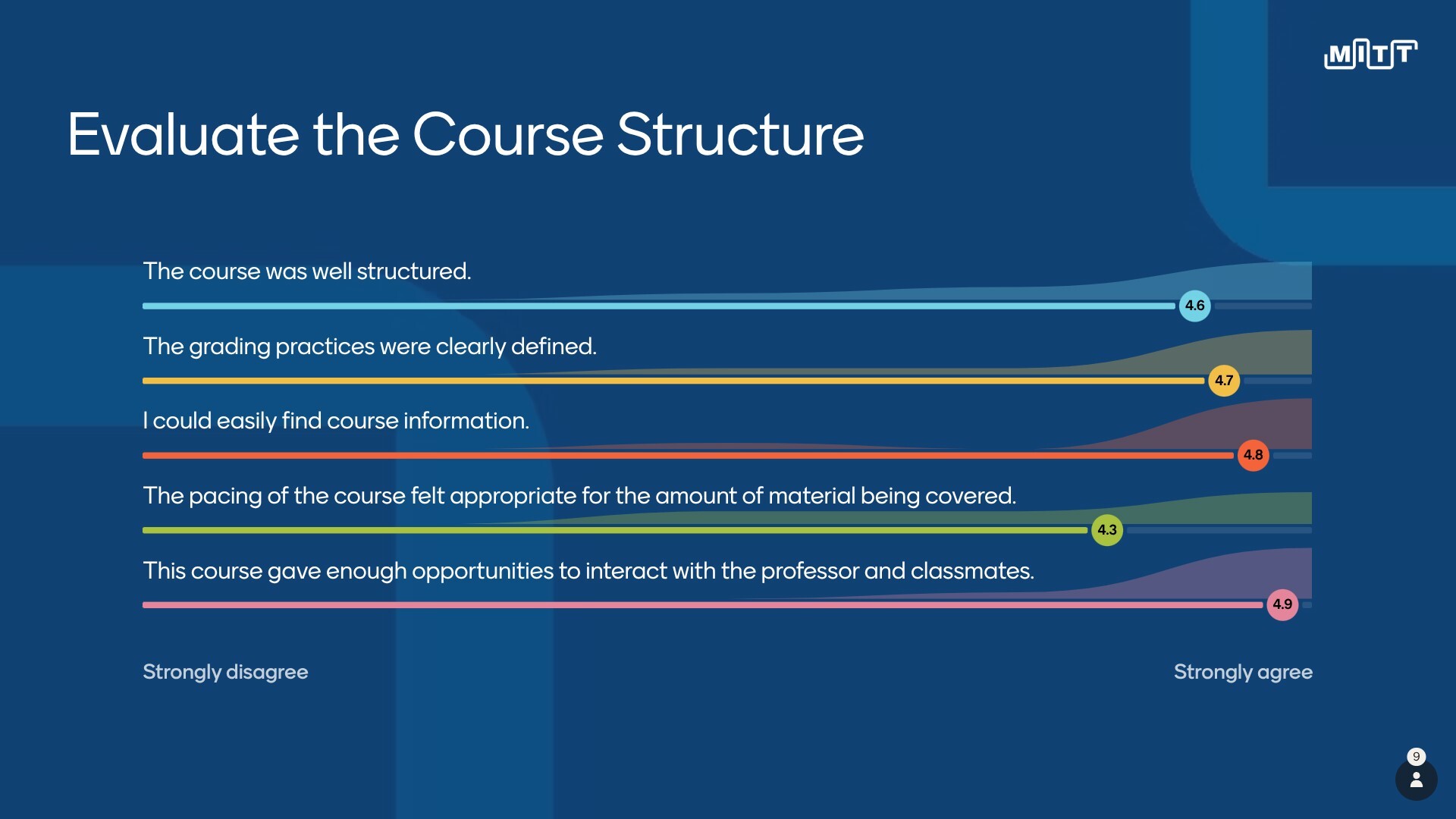
Kursfeedback, das Daniel von seinen Studierenden erhalten hat.
„Es ist nicht immer einfach“, sagt Daniel, „aber es macht mich zu einem besseren Dozenten und schafft eine bessere Erfahrung für den nächsten Kurs.“
Ausblick: Wandel über den Hörsaal hinaus anstoßen
Daniel konzentriert sich inzwischen auf die Kursentwicklung an der MITT und wendet das, was er im Unterricht gelernt hat, nun breiter an.
Er arbeitet daran, mehr Beteiligung, Reflexion und Feedback direkt in die Kursgestaltung einzubetten – in der Hoffnung, dass auch andere in der gesamten Hochschule von diesen Methoden profitieren können.
Sein Ziel ist es, einen kulturellen Wandel an der MITT mitzugestalten – einen, der Lehrende dazu befähigt, Hörsäle zu schaffen, in denen Beziehung an erster Stelle steht und Studierende gesehen, gehört und unterstützt werden.
Eine neue Art von Lehrperson
Heute vermittelt Daniel nicht mehr nur Informationen – er moderiert Gespräche. Seine Studierenden kommen mit der Erwartung, sich zu beteiligen, nicht passiv zu empfangen. Dieser Geist reicht über Vorlesungen hinaus bis in Labore, Projekte und sogar informelle Treffen.
Während er Ressourcen aufbaut, die anderen Lehrenden helfen sollen, seinem Beispiel zu folgen, hofft Daniel, dass mehr Lehrende diesen Schritt wagen. „Wir bitten Studierende, mit Neugier und Kreativität zu kommen“, überlegt er. „Wir sollten mit gutem Beispiel vorangehen.“
Abschließender Rat: Klein anfangen, aber anfangen
Veränderung erfordert keine komplette Neuerfindung. Daniels Geschichte begann mit einem Eisbrecher und einem Quiz. Dieses bescheidene Experiment löste einen Wandel aus – einen, der passive Hörsäle in verbundene Gemeinschaften verwandelte, in denen Studierende sich gesehen, unterstützt und zum Lernen inspiriert fühlen.