Storytelling em L&D: a arte quase secreta
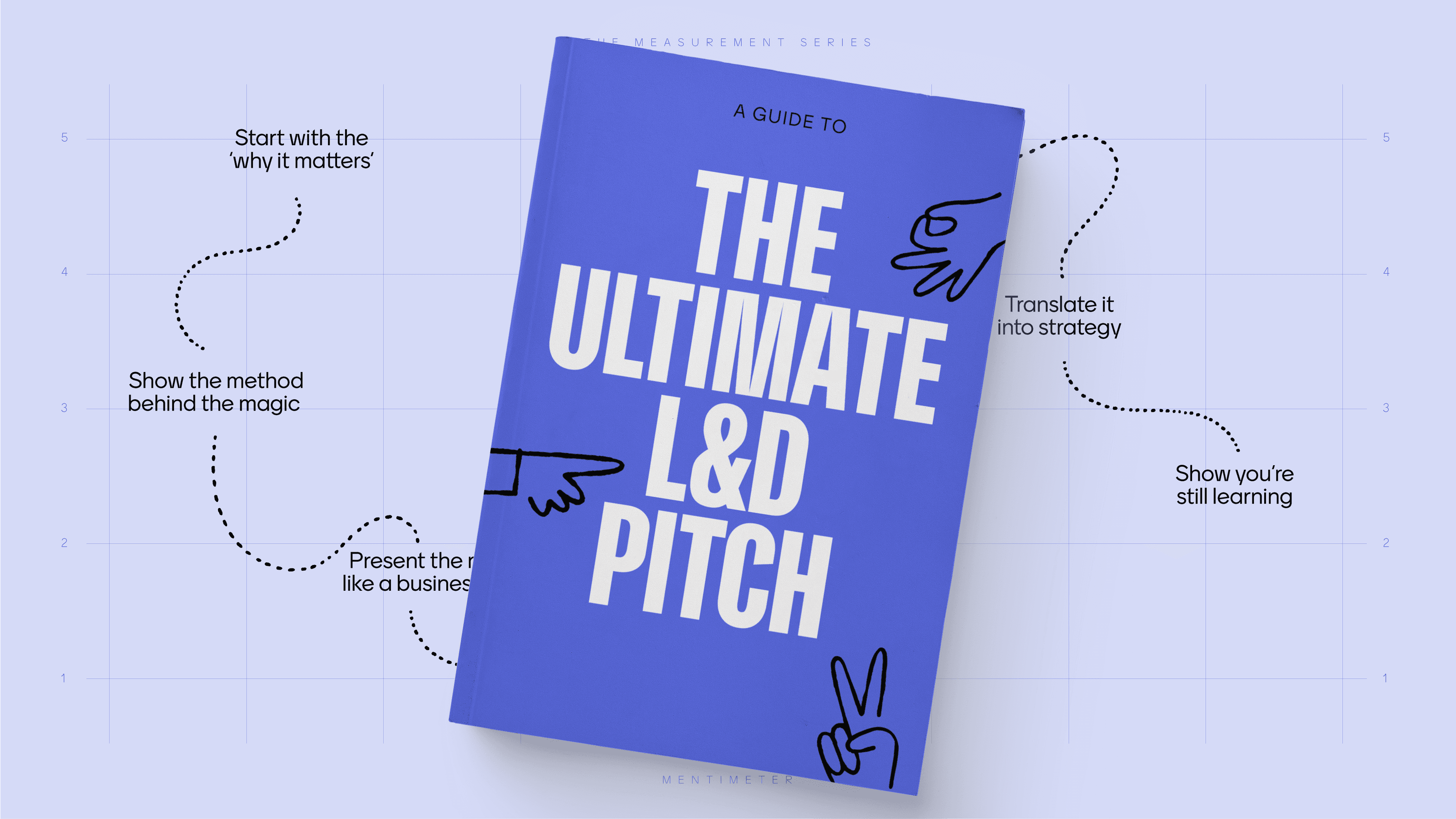
Esta é a Etapa 5 do nosso framework de 5 etapas para medir o impacto de negócio do T&D. Não perca o resto da série: Parte 1: T&D não consegue ser um verdadeiro parceiro de negócio, Parte 2: Porque "melhor comunicação" não é uma meta de negócio, Parte 3: Pense como pesquisador, não como instrutor, ou Parte 4: Outros problemas, soluções mais inteligentes, melhores resultados.
Seu momento de confiança como líder de T&D
Você está muito perto do fim. Até agora, você alinhou sua iniciativa às metas de negócio, construiu um bom business case e mediu o que importa em eficácia de treinamento. E adivinha? Os resultados chegaram e são ótimos: o comportamento mudou, o desempenho melhorou e o negócio sentiu isso – esse é o impacto de negócio do treinamento.
Agora vem a parte difícil, e isso não deveria ser surpresa. O último grande desafio é contar essa história de um jeito que faça sentido para quem controla o orçamento. Não é pouca coisa.
Acertar aqui não é só sobre reconhecimento. O pitch é sua chance de mostrar que você está alinhando a estratégia de treinamento à estratégia de negócio, em vez de tocar projetos paralelos. É sobre fazer o aprendizado ser visto como motor de crescimento, não só mais uma linha de despesa. Como fazer isso?
Falando a língua deles. Se você soa como eles, é visto como um deles e ganha influência, orçamento e um lugar na mesa.
Bonnie Beresford resume assim: “Se a sua história de mensuração não se conecta ao negócio, não importa quão sofisticada ela seja. O ‘e daí?’ precisa ser óbvio e alinhado ao que importa para os seus stakeholders.”
Executivos não pensam como times de T&D. Eles se importam com impacto, não com esforço investido. Querem clareza, não complexidade. E preferem ouvir um honesto “ainda estamos aprendendo” do que um exagerado “nós arrasamos”.
A boa notícia? Storytelling é uma habilidade. Aprenda-a e você muda a conversa de ‘seria bom ter’ para ‘precisa escalar’, exatamente o que uma cultura de aprendizagem forte permite.
Principais conclusões da Parte 5
- Comece com o impacto de negócio, não com métricas de aprendizado
Executivos se importam com resultados, não com atividade. Foque em como sua iniciativa moveu a retenção, a receita ou o risco – não em quantas pessoas concluíram um curso. - Seja honesto sobre o que os dados dizem (e não dizem)
Você não precisa de uma avaliação ou atribuição perfeita para gerar confiança. Se a história é imperfeita, diga isso. Combine dados direcionais com evidências qualitativas e explique seu nível de confiança com clareza. - Fale a língua deles, não a sua
Troque “objetivos de aprendizagem” por “mudanças de desempenho” e “níveis de Kirkpatrick” por resultados claros. Quanto mais seus insights parecerem um business case, mais você será ouvido. - Use números e histórias para construir um quadro mais completo
Histórias de impacto fortes combinam evidências quantitativas e qualitativas. Um dado mostra movimento; a combinação gera credibilidade. Pense em pixels, não em perfeição. - Torne o impacto visível e escalável com as ferramentas certas
Seja um dashboard de uma página ou um pitch de 20 minutos para o board, visuais claros e templates reutilizáveis ajudam a contar histórias melhores. Com o Mentimeter, você transforma seus dados em conversas: votações em tempo real, nuvens de palavras e perguntas de escala dão vida ao seu impacto na sala. É a forma inteligente de mostrar o que o aprendizado realmente entrega.
Como falar “executivo” com fluência ao apresentar a eficácia do treinamento
Dentro da mente de um executivo
Como executivos processam informação
- Pouco tempo: 2-3 minutos para relatórios. 10-15 se for decisivo.
- Focados em ação: O que devo fazer agora?
- Céticos por natureza: Exagerar prejudica sua causa.
- Orientados a ROI: Toda decisão é um investimento – um princípio central para construir uma cultura de aprendizagem escalável.
- Buscadores de padrões: Querem o panorama geral, não só a última vitória.
O que eles realmente querem saber
- Isso moveu a agulha do negócio?
- Quão forte é a evidência?
- Qual é o próximo passo?
- Podemos escalar isso?
- O que aprendemos?
Onde o T&D costuma errar e erros comuns a evitar
- Atividade ≠ Impacto: “500 pessoas treinadas” não é um resultado.
- Métricas sem contexto: taxas de conclusão ≠ resultados de negócio.
- Superatribuição: não foi só o treinamento.
- Excesso de jargão: fale de negócio, não de buzzwords.
- Sem próximos passos claros: os insights precisam de direção.

O framework de história de impacto executivo para reportar T&D
“Como você começa um pitch para um executivo? Eu começo com o problema de negócio. Não com a iniciativa, nem com as metas de aprendizagem ou a mudança de comportamento que buscamos. Se eu não conseguir articular o que os mantém acordados à noite ou qual oportunidade eles querem destravar, eu não conquistei o direito de apresentar.” – Kae Bandoy
Transforme seus dados em decisões, rápido. Se você já mede a eficácia do treinamento, está na metade do caminho. Agora é hora de comunicar o impacto como uma história que fica na cabeça de executivos sem tempo para enrolação. Aqui vai um framework feito para o mundo deles: curto, direto, estratégico.
1. Comece com o ‘por que isso importa’ (30 segundos)
Parta de onde eles estão: o problema de negócio.
Modelo:
“Vocês nos pediram para ajudar com [problema de negócio] por causa de [impacto no negócio]. Aqui está o que descobrimos e como isso afeta [prioridade estratégica].”
Exemplo:
“Vocês nos pediram para melhorar a retenção de contas enterprise – havia US$ 2,3M em churn em jogo. Nossa iniciativa ajudou a gerar uma melhora de 15%, mudando nossa estratégia de crescimento de clientes.”
2. Mostre o método por trás do resultado (60 segundos)
Dê confiança na sua abordagem sem afogá-los em detalhes.
Modelo:
“Tratamos isso como [tipo de investigação], usando [método] para explorar [pergunta-chave]. Isso nos ajudou a [identificar causa/efeito].”
Exemplo:
“Fizemos um estudo controlado, comparando gestores treinados e não treinados por seis meses. Isso isolou os efeitos do treinamento da sazonalidade e das mudanças de mercado.”
3. Apresente os resultados como um business case (90 segundos)
Ligue sua evidência aos resultados que importam para eles.
Modelo:
“[Métrica] melhorou em [quantidade], enquanto [evidência de comportamento] confirma a mudança. Estamos [nível de confiança] de que [intervenção] gerou [percentual do resultado].”
Exemplo:
“A retenção subiu de 78% para 89% entre gestores treinados, a satisfação subiu 0,7 ponto e 85% já aplicam as novas técnicas. O treinamento provavelmente gerou 60-80% desse ganho.”
4. Traduza isso em estratégia (60 segundos)
Feche a lacuna entre insights e ação.
Modelo:
“Isso mostra [conclusão estratégica] e se alinha com [prioridade]. Recomendamos [próximo passo] para [escalar/refinar/ampliar o impacto].”
Exemplo:
“Construir relacionamento é uma alavanca-chave para o crescimento enterprise. Vamos expandir isso para todos os account managers e adaptar para o mid-market.”
5. Mostre que você ainda está aprendendo (30 segundos)
Demonstre progresso, não perfeição.
Modelo:
“Aprendemos [insight-chave] e isso vai nos ajudar a [melhorar na próxima vez].”
Exemplo:
“Gestores mais novos mostraram ganhos maiores, então vamos ajustar as próximas sessões e criar conteúdo avançado para o pessoal senior.”
Como apresentar evidências em avaliações de treinamento e discussões de ROI
O framework de comunicação com confiança para o impacto do treinamento
Fale como estrategista, pareça um cientista. Executivos não esperam certeza, mas respeitam honestidade. Kae Bandoy usa essa abordagem, como muitos profissionais de T&D: “Se meus dados não estão limpos, eu assumo isso. Digo: ‘Não é uma análise de grupo de controle perfeita, mas é o que estamos vendo.’ Ser transparente sobre como coletamos os dados e sua confiabilidade – com defeitos e tudo – gera confiança. Eu ancoro a história no que mudou: comportamentos, decisões, ritmo. Não precisa ser perfeita para ser poderosa, só precisa ser honesta e relevante.”
Veja como enquadrar seu nível de confiança:
- Confiança alta (80%+):
“A evidência sugere fortemente que…”
“Vários indicadores apontam para…”
“Estamos confiantes de que [intervenção] gerou a mudança…” - Confiança moderada (50-80%):
“O treinamento parece ter tido um papel importante…”
“A evidência indica uma contribuição significativa…”
“Provavelmente fez uma diferença clara…” - Confiança baixa (20-50%):
“Vemos sinais promissores…”
“O treinamento pode ter ajudado…”
“É um sinal positivo, mas outros fatores também influenciaram…”
Bonnie Beresford compartilha: “Você não está tentando impressioná-los com jargão estatístico. Você está tentando ajudá-los a decidir com confiança. Esse é o seu trabalho – reduzir a incerteza com evidência e clareza.”
A pilha de evidências: um método para reportar impacto de treinamento
“Quando apresento para executivos, eu empilho a evidência. Mostro a mudança de comportamento, ligo a métricas de desempenho e depois a resultados de negócio. Esse padrão conta uma história convincente, mesmo que os dados não sejam perfeitos.” – Bonnie Beresford

Assim como modelos de eficácia de equipe, uma pilha de evidências forte mostra padrões que geram credibilidade. Sobreponha suas evidências para uma narrativa mais convincente e resistente:
- Evidência de tempo: “Os resultados melhoraram 3 semanas após o treinamento.”
- Evidência de comparação: “Os times treinados superaram seus pares em 23%.”
- Evidência de comportamento: “78% aplicaram novas técnicas ligadas a melhores resultados.”
- Evidência de sustentação: “As melhorias cresceram por 90 dias – isso não foi passageiro.”
- Evidência de explicação alternativa: “As variáveis externas ficaram estáveis em todos os times.”
Pilha de exemplo
A regra de Bonnie Beresford: “Comece com tempo e comportamento. Se a mudança seguiu o treinamento e você vê as pessoas agindo diferente, essa é uma história confiável. Adicione métricas de resultado e você tem impacto.”
Impacto do treinamento em atendimento ao cliente
- Tempo: As notas subiram em até 3 semanas após o treinamento.
- Comparação: Atendentes treinados tiveram resolução na primeira chamada 23% melhor.
- Comportamento: 78% adotaram novas técnicas de escuta.
- Sustentação: Os ganhos continuaram por mais de 90 dias.
- Controle: Sem mudanças relevantes no volume de chamadas ou nos sistemas nesse período.
Equilíbrio quantitativo vs. qualitativo no reporting de T&D
Números ou narrativas? Use os dois.
Resultados diferentes exigem ferramentas narrativas diferentes. Às vezes, os números falam por si. Outras vezes, é a mudança de mentalidade, cultura ou conversa que diz tudo.
Quando liderar com números
Para quem controla orçamento, o ROI conta.
Use essa abordagem quando:
- Você tem métricas claras e atribuição sólida
- Sua audiência prefere dados a anedotas
- A conversa é sobre orçamento, escala ou retorno
Exemplo:
“A retenção de clientes melhorou de 78% para 89%, preservando US$ 1,8M em receita anual. Mesmo com estimativas conservadoras, o treinamento se pagou 4,2 vezes.”
Quando liderar com histórias
“Quando os números não bastam, as histórias preenchem as lacunas e mostram o impacto real no nível humano.” – Julie Trell
Para mudança cultural, histórias ficam.
Use isso quando:
- Mudanças de comportamento são difíceis de quantificar
- O impacto é cultural ou emocional
- Você fala com líderes centrados em pessoas ou trabalha em iniciativas de mudança
Exemplo:
“Antes do treinamento, gestores eram avaliados com 2,1/5 em atenção às pessoas. Depois, subiu para 4,3/5. Comentários como ‘eu me sinto ouvido’ mostram que isso não é só desenvolvimento de habilidade – é construção de confiança. E já se reflete em maior retenção e engajamento.”
A abordagem equilibrada
“Executivos decidem com a cabeça, mas lembram com o coração. Mostre a eles os números e depois conte a história por trás desses números.” -Bonnie Beresford
Suas histórias mais poderosas usam cabeça e coração.
Comece com o sinal mais forte – números ou narrativa – e reforce com o outro. Juntos, eles criam um pitch confiável, memorável e persuasivo.
- Lidere com dados, apoie com história:
“A conversão de vendas subiu 18% no último trimestre. Ouça as gravações das chamadas e você vai entender por quê: os times fazem o triplo de perguntas de descoberta e lidam com objeções com confiança real.” - Lidere com história, apoie com dados:
“Nossa cultura de liderança está mudando. Os gestores já têm conversas difíceis que antes evitavam. E a mudança se mostra: o engajamento subiu 0,8 ponto e o turnover voluntário caiu 23%.”
Escolha seu pitch: como apresentar resultados de treinamento em diferentes contextos executivos
Adapte a mensagem. Feche com força.
Momentos diferentes pedem formatos diferentes. Seja em uma atualização rápida ou pedindo orçamento, como você apresenta resultados de treinamento e comunica o impacto importa tanto quanto o que você diz.
O dashboard de T&D (reporting contínuo)
O dashboard executivo Rápido. Claro. Contínuo.
Ideal para: Check-ins mensais ou trimestrais com executivos
Formato: Resumo de uma página, com foco visual
O que incluir:
- Impacto principal: O resultado que mais importa
- Insights de tendência: Visuais claros e simples
- Sinais de comportamento: O que está mudando na prática
- Próximos passos estratégicos: O que fazer agora
Exemplo:
Dashboard de Impacto T&D Q3
Impacto: +11pp na retenção de clientes = US$ 1,8M preservados
Tendências:
- Retenção: 78% → 89% (sustentado por 90 dias)
- Satisfação: 4,1 → 4,8
- Comportamento: 85% de adoção de novas técnicas
Próximas ações: - Expandir para o mid-market (Q4)
- Desenhar módulos avançados para enterprise
- Adicionar ao fluxo de onboarding
A apresentação de história de sucesso: mostre os resultados de eficácia do treinamento Transforme resultados em ressonância.
Ideal para: Reuniões de board, retiros, decisões de financiamento
Formato: Apresentação de 15-20 minutos
Estrutura:
- Contexto e desafio (2 min)
- Abordagem estratégica (3 min)
- Resultados e evidências (8 min)
- Recomendações (5 min)
- Perguntas e respostas (conforme necessário)
Dica: Mostre o “o quê” e o “por que funcionou”. Bonnie Beresford aconselha: “Use uma frase que fique na cabeça. Já compartilhei o comentário de um líder de linha de frente: ‘Agora eu sei como treinar em vez de corrigir.’ Isso teve mais impacto do que qualquer gráfico.”
O relatório de aprendizagem: resuma a avaliação do treinamento
Quando o detalhe importa.
Ideal para: Compartilhar com times, planejamento anual, documentação
Formato: Máximo de 2-3 páginas
Estrutura:
- Resumo: Resultados-chave + suas recomendações
- Contexto: O problema e como você lidou com ele
- Resultados: O que aconteceu e como você sabe
- Visão estratégica: Como isso escala ou evolui
- Apêndice: Os dados, para quem quiser se aprofundar
A proposta de investimento: demonstrando o ROI do treinamento
Defenda o caso. Ganhe o orçamento.
Ideal para: Solicitar financiamento para iniciativas novas ou ampliadas
O que incluir:
- Impacto comprovado: Mostre o que funcionou
- Encaixe estratégico: Ligue às metas de negócio
- Plano: Cronograma, escopo, recursos
- ROI: Conservador, sustentado por dados
- Plano de risco: Aborde os “e se” antes que perguntem
Dica de tom: Seja confiante, mas não arrogante. Executivos percebem a diferença.
Cinco armadilhas do storytelling (e como evitá-las)
Boas histórias não são ignoradas; as ruins são.
Mesmo com ótimos resultados, é fácil perder sua audiência se a mensagem errar o alvo. Veja o que observar e como corrigir – rápido.
Armadilha 1: Começar com métricas de aprendizagem
Executivos não se importam com quantas pessoas gostaram do treinamento.
🚫 “95% concluíram o treinamento com nota de satisfação de 4,6/5.”
✅ “O tempo de resolução de reclamações de clientes caiu 34% após a iniciativa.”
Armadilha 2: Reivindicar todo o crédito
Correlação não é causalidade, mas contribuição conta.
🚫 “O treinamento aumentou as vendas em US$ 2,3M.”
✅ “As vendas cresceram US$ 2,3M. Segundo a evidência, o treinamento provavelmente gerou 60-80% desse aumento.”
Armadilha 3: Enterrar o impacto de negócio
Habilidades são o meio, não a mensagem.
🚫 “Os participantes melhoraram suas habilidades de resolução de conflitos em simulações.”
✅ “As reclamações de funcionários caíram 40% depois que os gestores aplicaram as novas técnicas.”
Armadilha 4: Falar T&D, não negócio
Se soa como livro didático, eles vão desligar.
🚫 “Avaliações de nível 3 confirmam a transferência comportamental dos objetivos.”
✅ “Follow-ups mostram que 82% estão usando a nova abordagem no trabalho diário.”
Armadilha 5: Pular a estratégia
Executivos não querem só resultados – querem relevância.
🚫 “O treinamento foi bem-sucedido segundo a avaliação interna.”
✅ “Esses resultados sustentam nossa estratégia centrada no cliente e apontam para uma expansão mais ampla em times que atendem clientes.”
Aprimore seu storytelling para comunicar a eficácia do treinamento
“É tudo sobre criar um espaço seguro para os stakeholders compartilharem suas histórias. Pesquisas anônimas com perguntas narrativas nos ajudam a descobrir juntos metas de negócio reais.” – Julie Trell
Você já tem os dados. Agora construa a voz para acompanhá-los.
Storytelling poderoso não é só uma habilidade de apresentação – é uma ferramenta de negócio. Veja como aprimorar a sua e tornar o T&D impossível de ignorar.
Etapa 1: Desenvolva sua voz executiva
Fale como especialista em aprendizagem. Pense como estrategista.
Comece a traduzir sua linguagem para a deles. Em vez de dizer ‘nível 3 de Kirkpatrick’, traduza para uma linguagem clara de mudança de comportamento, assim:
| L&D Term | Executive Version |
|---|---|
| “Learning objectives” | → “Performance shifts” |
| “Training effectiveness” | → “Business results” |
| “Skill development” | → “Capability building” |
| “Knowledge transfer” | → “On-the-job improvement” |
Faça sua lição de casa:
- Passe os olhos em relatórios anuais.
- Acompanhe as calls de resultados.
- Preste atenção em como os líderes enquadram resultados e riscos.
- Pratique espelhar esse tom – direto, estratégico, sem enrolação.
Etapa 2: Crie seu banco de histórias
Colete o que funciona. Reutilize o que dá resultado.
“Eu sempre dou contexto quando compartilho insights qualitativos: quem disse, em que circunstâncias e com que frequência ouvimos algo parecido. O objetivo não é uma narrativa perfeita; é uma que seja honesta, direcional e acionável.” – Kae Bandoy
Repense sua iniciativa. O que você pode usar? Aproveite insights da avaliação do design instrucional como parte da sua narrativa sobre o que funcionou. Histórias sobre progresso em um modelo de competências fazem executivos verem crescimento além de um treinamento isolado. Métodos de design iterativo como o SAM instructional design podem se tornar parte da história dos bastidores. Mas lembre-se de contar nos termos deles.
Acompanhe o que fica na cabeça do seu time de liderança:
- Em que tipo de prova eles confiam?
- Quais histórias continuam sendo mencionadas?
- Quais frases ressoam mais?
Crie ferramentas prontas para usar:
- Templates de relatório por audiência
- Formatos de evidência para diferentes níveis de confiança
- Bancos de linguagem alinhados ao setor
- Formatos visuais que fazem os números se destacarem
Etapa 3: Pratique com feedback
A confiança cresce com clareza.
- Ensaie com colegas. Pergunte: Isso está claro? Confiável? Convincente?
- Grave-se. Preste atenção no ritmo e no acabamento.
- Peça feedback honesto a alguém de confiança do negócio. Essa pessoa vai saber se funciona – ou não.
Seu plano de ação para reportar resultados de treinamento com eficácia
Esta semana:
- Revise seus relatórios. Você lidera com atividades de aprendizagem ou com resultados de negócio?
- Identifique um resultado que você vai precisar apresentar em breve – mapeie-o no framework de 5 etapas.
Este mês:
- Estude seus executivos: como eles falam sobre finanças, produto ou operações?
- Construa uma pilha de evidências em torno de uma história de sucesso.
- Crie formatos reutilizáveis para dashboards, relatórios breves e apresentações.
Este trimestre:
- Aprenda as métricas e a linguagem de negócio do seu setor.
- Adicione 3-5 histórias comprovadas ao seu banco de histórias.
- Oferecça-se para apresentar em reuniões multifuncionais ou de liderança.
Seu checklist para apresentar a eficácia do treinamento à liderança
Antes de apresentar, marque essas caixinhas.
Qualidade do conteúdo
- Lidera com resultados de negócio?
- A atribuição é honesta e apoiada por evidências?
- Nenhum jargão de T&D à vista?
- Sua avaliação do treinamento é apoiada tanto por dados quanto por insights humanos?
Encaixe com a audiência
- Está adaptado às prioridades dos seus executivos?
- O nível de detalhe é adequado ao tempo disponível?
- Responde às perguntas estratégicas que importam para eles?
- Seus próximos passos são claros e acionáveis?
Força da evidência
- Seus pontos de dados se reforçam mutuamente?
- Você é transparente sobre o que não sabe?
- Você consegue explicar seus métodos com simplicidade?
- Você considerou outras causas possíveis?
Valor estratégico
- Isso eleva o perfil do T&D como motor de negócio?
- Você está lançando as bases para investimento futuro?
- Há uma conexão clara com a estratégia da empresa?
- Você está mostrando o T&D como parceiro de desempenho?
Seus próximos passos
Conecte-se ao framework completo:
- ← Etapa anterior: Como desenhar para a mudança real
- ↑ Template: Adicione Pitch Perfect: T&D para executivos ao seu workspace
Oportunidades de prática:
- Desafio mensal: Reescreva um relatório de T&D existente usando o framework de história executiva
- Revisão entre pares: Troque rascunhos de histórias com outros profissionais de T&D para feedback
- Shadowing executivo: Observe como outras funções apresentam resultados de negócio à liderança
Um bom storytelling não exagera, ele ajuda. Dá aos líderes o que eles precisam para tomar decisões melhores. Mostra o verdadeiro valor do aprendizado. E conquista para o T&D a voz que ele merece.
Você pode criar seu primeiro Menti gratuitamente
Iniciar

